Stale indoor air. Foggy windows. Rooms that feel muggy in summer or overly dry in winter. These are common complaints about today’s homes, especially modern homes built for maximum energy efficiency. Modern construction methods do a strong job of blocking drafts and reducing energy waste, but unfortunately this can also trap stale air, humidity and indoor pollutants inside your home.
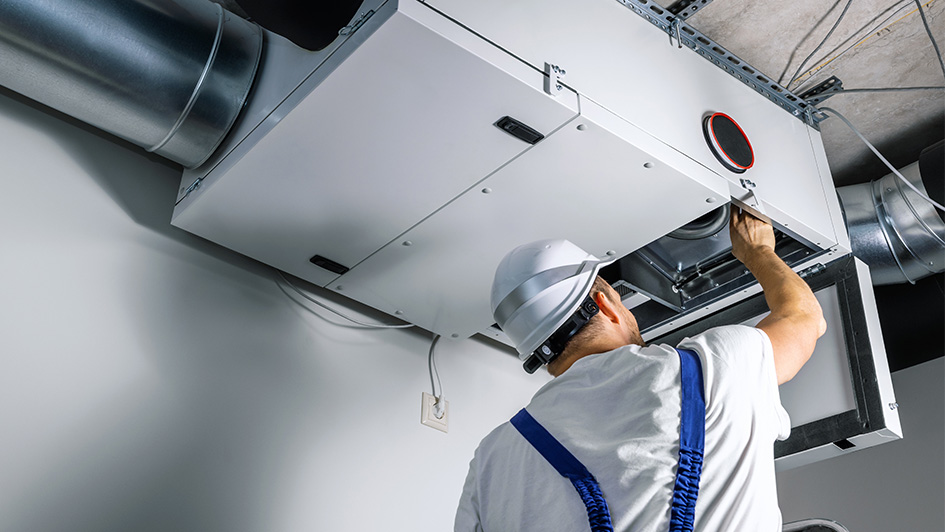
That’s where a professionally designed home ventilation system can help. Systems like a Heat Recovery Ventilator (HRV) and an Energy Recovery Ventilator (ERV) are designed specifically to improve air in today’s airtight homes. They pull out stale indoor air while bringing in fresh outdoor air. What’s more, they do this while helping support your home’s energy efficiency.
If you’re looking into getting an HRV or ERV for your home, you’re not alone. Many homeowners want cleaner indoor air and better comfort, but they also want to know which system is the right fit. Understanding the the pros and cons of these systems can help you make the right decision for you.
Why Tight Homes Need Better Airflow
Today’s homes are built more tightly than ever before. Builders use high-performance insulation, sealed windows and improved construction techniques to minimize warm or cool air from leaking out of your home. This extreme energy efficiency is a big help in cutting your monthly energy bills, because it keeps conditioned air inside where it belongs.
However, this also causes reduced natural airflow. Older, less energy efficient homes often “breathed” through tiny gaps and cracks around doors, windows and walls. Modern homes often do not. Without adequate ventilation to increase airflow, moisture, odors, allergens and airborne pollutants can become trapped indoors in modern homes.
Cooking, showering and even breathing all add moisture and particles into the air in your home. Without enough fresh air exchange, your indoor air can start to feel uncomfortable. This high humidity can also lead to condensation on windows, musty odors or even mold.
Because of this, airtight home ventilation is so helpful. A balanced ventilation solution moves fresh air into your home while removing stale indoor air. A mechanical ventilation system like an ERV or HVR controls airflow throughout the home. Instead of relying on unpredictable air leaks or occasional window opening, it creates cleaner, fresh indoor air.
What Is an HRV System?
An HRV, or Heat Recovery Ventilator, is a system that enhances indoor air by replacing stale indoor air with fresh air from the outdoors. It’s designed to recover heat from the outgoing air before it forces that old air from your home.
In basic terms, the stuffy air leaving your home passes through the HRV. At the same time, fresh outdoor air enters the HRV. The heat from the outgoing air transfers to the incoming air without the two air streams mixing together. Because of this, the HRV provides fresh air without running up your winter heating bills.
An HRV only transfers heat. It does not move moisture. Because of that, one of the biggest HRV system benefits is its ability to flush moisture air out of your home. On the other hand, a drawback is it doesn’t add moisture to dry air.
What’s an ERV System?
An ERV, or Energy Recovery Ventilator, works much like an HRV, but with one key difference. An ERV transfers both heat and moisture between as air leaves and enters your home.
This added feature helps with home humidity control throughout the seasons. In winter, an ERV keeps indoor air from becoming too dry. In the summer, it can limit some of the moisture entering your home from outside air. This added humidity control is one of the biggest ERV system benefits.
ERV vs. HRV: What is the Difference?
| HRV (Heat Recovery Ventilator) | ERV (Energy Recovery Ventilator) | |
|---|---|---|
| Heat Transfer | Yes | Yes |
| Moisture Transfer | No | Yes |
| Humidity Control | Reduces indoor humidity | Balances indoor humidity year-round |
| Energy Efficiency | Improves ventilation while reducing heating energy loss | Increases ventilation while lowering heating and cooling energy loss |
| Best Climate Application | Colder, drier regions with excess indoor moisture | Humid regions or homes with dry winter air |
| Comfort Considerations | Helps reduce indoor humidity and stale air | Helps maintain comfortable indoor humidity levels |
Which System Is Better for Airtight Homes?
Today’s airtight homes often need mechanical ventilation to maintain healthy indoor air quality and comfort. Both HRV and ERV systems are proven solutions for modern homes. The best system for you depends on your home’s humidity levels, what type of climate your home is located in and your overall ventilation needs. A professional evaluation can help determine whether an ERV or HRV is the better fit for your situation. Almost just as important, a professional will ensure correct sizing and installation for the best long-term performance and efficiency.
ERV vs. HRV: Questions Homeowners Should Ask
When evaluating an an ERV vs. HRV, homeowners should think about how their home feels all year.
- Is my home too dry?If your skin feels dry, you often deal with static electricity or if the the air in your home feels uncomfortable in winter, an ERV may help maintain needed moisture.
- Do I struggle with too much humidity?If your windows develop condensation in winter or your home feels damp, an HRV may help eliminate excess indoor moisture.
- How airtight is my home?Newer homes with advanced insulation and sealed construction often work well with balanced ventilation systems.
- Does my home need humidity control or ventilation?Both systems improve ventilation, but moisture management is where the biggest difference exists.
- What type of climate is my home located in?Climate plays a significant role in choosing between an ERV and an HRV. Temperature and moisture levels throughout the year are important.
How to Choose the Best Ventilation System for Your Home
When trying to decide between an ERV vs. HRV, there’s no one-size-fits-all answer that works for every home. Every house is different. Construction style, insulation levels, humidity levels and the local climate all affect which system is best.
That’s why professional evaluation makes a big difference. A ventilation specialist can analyze your home’s airflow, moisture levels and comfort concerns before recommending the best solution.
In some homes, an HRV system may provide better moisture removal and fresher winter air. In others, an ERV may create consistent humidity levels and comfort. The right choice is a balanced ventilation system.
A professional installation also ensures a whole-home ventilation system is correctly sized and integrated into your existing heating and cooling setup for the best long-term performance.
Improve Your Indoor Air Quality with Whole-Home Ventilation
Better ventilation can make a big difference in how your home feels. Cleaner air, better humidity control and more reliable comfort all contribute to a healthier indoor environment.
The team at Ameri-Tec helps homeowners choose the best whole-home ventilation systems for their homes and comfort goals. Whether you’re dealing with stuffy indoor air, high humidity levels or dry indoor conditions, a professional air quality evaluation can help choose between an ERV and HRV system.
Beyond ventilation, Ameri-Tec can also help boost your indoor air quality and comfort with industry-leading HVAC solutions, filtration systems, dehumidifiers, humidifiers and high-efficiency heat pumps designed for today’s homes.
If you’re looking to improve comfort and fresh air circulation in your home, contact us online today or call 717-844-9228 to schedule a complimentary in-home consultation. Ameri-Tec can help you compare your options and choose a ventilation solution that is right for your home.